Source zipper head for Home Textile, Bag, and Garment Uses
Compare 30 listings for zipper head products including metal and TPU materials with auto-lock and swivel hook features. Buyers can review specifications, customization options, and pricing details for home textile, bag, and garment applications.
Key considerations
Products List

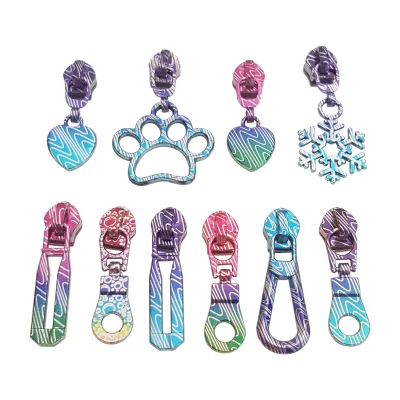
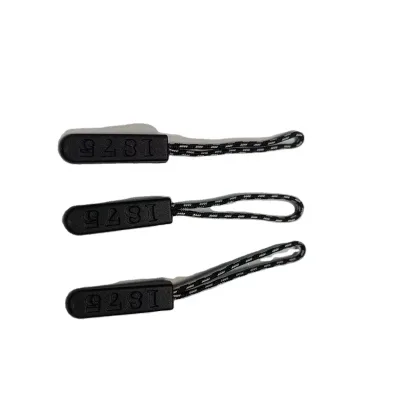


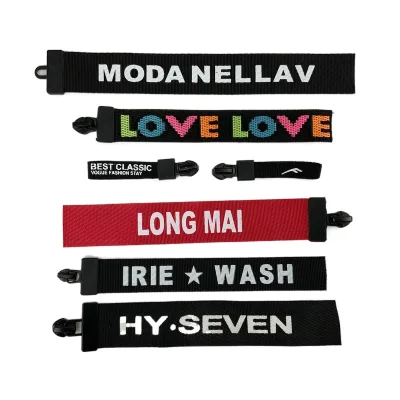


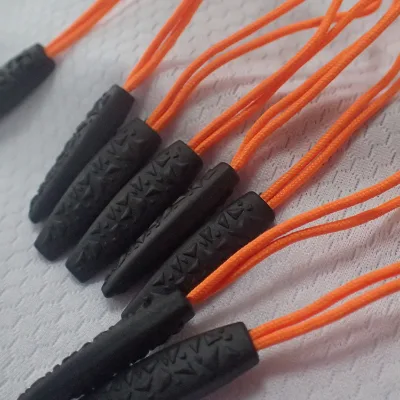




Comprehensive Sourcing Guide
Strategic Sourcing Guide for Zipper Head Components
Navigating the global market for zipper heads, often referred to as sliders or pullers, requires a precise understanding of component specifications, material compatibility, and supply chain dynamics. These small but critical hardware elements determine the functionality, durability, and aesthetic finish of textiles, bags, and footwear. For procurement professionals, the decision-making process involves balancing technical requirements with cost efficiency and supplier reliability. This guide outlines the essential factors for sourcing zipper heads effectively, drawing on verified product attributes and industry standards to ensure a robust procurement strategy.
Technical Specifications and Material Compatibility
The first step in sourcing zipper heads is defining the exact technical specifications required for the application. The market offers a diverse range of types, including auto-lock sliders, reversible sliders, and standard pullers. A critical observation in current listings indicates that the "Slider Type" can vary significantly, with specific models identified as "YG Puller" or "Auto Lock" variants. The "Auto Lock Slider" feature is particularly notable for its reversible capability, which allows the slider to function in both directions without jamming, a vital feature for high-use garments and bags.
Material selection is equally paramount. Sourcing data highlights two primary material categories: metal and TPU (Thermoplastic Polyurethane). Metal sliders, often finished in nickel, are preferred for heavy-duty applications such as denim jeans, leather goods, and industrial bags where tensile strength is required. In contrast, TPU sliders offer flexibility and are often utilized in lightweight applications or where chemical resistance is needed. The "Feature" attribute frequently cites "Nickel-Free" options, which is essential for compliance with international regulations regarding heavy metals in consumer goods. Buyers must verify the specific material composition of the supplier's inventory, as the "Color" can range from standard nickel to fully customized finishes.
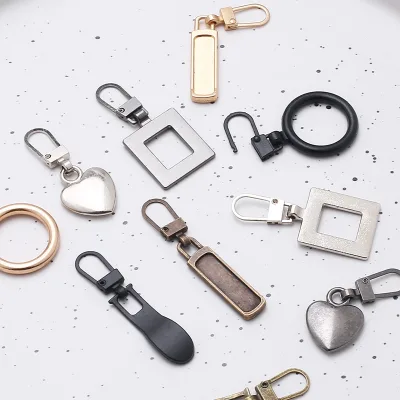
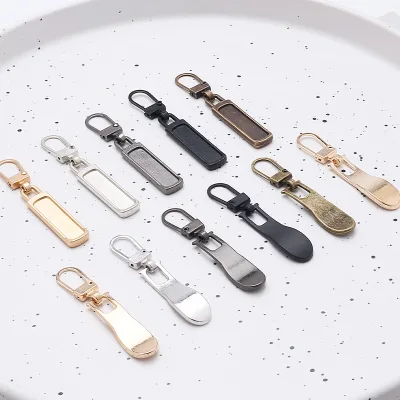
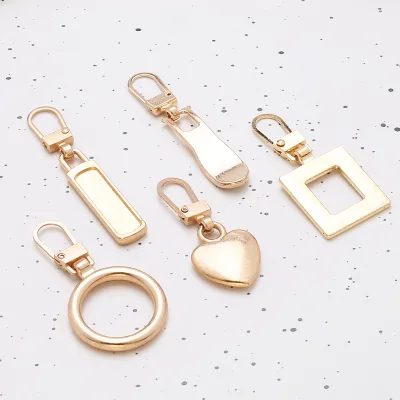
Furthermore, the "Specification" field often denotes the size rating, such as "5#", which refers to the tooth size and slider width compatibility. While some listings specify "Casted Swivel Hook" models with model numbers like "1544" or "JS-ZP-0021", others may list "en156641" as a reference. It is crucial to match the slider model number with the existing zipper tape and teeth profile to ensure mechanical compatibility. The "Size" attribute in many cases is listed as "Customized" or "as pic," indicating that standard sizing may not always be available and that custom tooling might be necessary for specific project requirements.
Compliance, Certification, and Regulatory Checks
When sourcing hardware components for global markets, compliance with safety and environmental standards is non-negotiable. The supplied product data explicitly mentions "Nickel-Free" features, which aligns with strict regulations in the European Union and North America regarding nickel release in products that come into prolonged contact with skin. Procurement teams must verify that the "Feature" claims are backed by third-party testing reports, as the mere presence of a "Nickel-Free" label does not guarantee compliance without supporting documentation.
Regarding certifications, the background information notes a low-confidence reference to "CE" marking. Buyers should not assume that all listed products carry CE certification. Instead, the procurement strategy must include a direct request for valid test reports and certification documents from the supplier. The "prod_standard" is often listed as "Customized," which implies that the supplier may not adhere to a single universal standard but rather adapts to the buyer's specific compliance needs. It is the buyer's responsibility to define the required standards, such as REACH, RoHS, or specific national safety codes, and ensure the supplier can meet them.
Additionally, the "Feature" attribute "Eco-Friendly" appears in some listings, suggesting a potential for sustainable manufacturing practices. However, this claim requires verification. Buyers should inquire about the sourcing of raw materials, the manufacturing process's environmental impact, and any relevant environmental management certifications the supplier holds. Without concrete evidence, such claims remain marketing assertions rather than verified procurement criteria.
Cost Drivers and Pricing Structures
Understanding the cost drivers for zipper heads is essential for budgeting and negotiation. The observed price range in the market spans from $0.01 to $0.60 USD per unit. This wide variance is influenced by several factors, including material type, customization level, and order volume. Metal sliders typically command a higher price point than TPU or plastic alternatives due to the cost of raw materials and the complexity of the plating process, which is listed as a primary "Technic" for metal components.
The "MOQ" (Minimum Order Quantity) is a significant cost driver, with observed ranges extending from 50 to 50,000 units. While some suppliers list an MOQ of 100 pieces, others may require significantly higher volumes to achieve the lower end of the price spectrum. The "Advantage" attribute often highlights "Low Price" and "In Stock" availability, which can reduce immediate procurement costs but may limit customization options. For custom orders involving specific logos, colors, or model numbers, the MOQ will likely increase, and the unit price will rise to cover tooling and setup costs.
Payment terms also play a role in the overall cost structure. Standard terms observed include a "30% Deposit T/T," which is common in international trade. Buyers should negotiate payment schedules that align with production milestones to mitigate financial risk. Additionally, the "Single package size" and "Single gross weight" (e.g., 1.0 kg) impact shipping costs. Optimizing packaging to reduce volume and weight can yield significant savings, especially for large orders where freight costs are substantial.
Typical Applications and Usage Scenarios
Zipper heads are versatile components used across a broad spectrum of industries. The "Usage" attribute consistently lists "Home Textile," "Bag," "Garment," and "Shoes" as primary application areas. In the garment industry, zipper heads are critical for jackets, trousers, and skirts, where the "Auto Lock" feature ensures the closure remains secure during movement. For bags and luggage, the durability of the slider is paramount, often necessitating metal construction and reinforced designs.
The "Application" field also mentions "all kinds of accessories, clothing, headwear and other accessories," indicating the component's adaptability. For instance, in headwear, lightweight TPU sliders may be preferred to avoid adding unnecessary weight or causing discomfort. In home textiles, such as curtains or cushion covers, the aesthetic finish of the slider, including the "Print" options like "Pigment," "Disperse," or "Disperse 3D Printing," becomes a key design element. The "Fold type" attribute, noted as "Straight cut," suggests specific manufacturing techniques that may influence the final look and feel of the product.
When selecting a supplier, buyers should ensure the manufacturer has experience in the specific sector they are targeting. A supplier specializing in garment sliders may not have the same expertise in producing heavy-duty sliders for industrial bags. Verifying the supplier's portfolio and past projects in the relevant application area can prevent compatibility issues and ensure the final product meets performance expectations.
Supplier Evaluation and Production Capabilities
Evaluating a potential supplier requires a thorough assessment of their production capabilities, lead times, and customization services. The "Place of Origin" data indicates that suppliers are primarily located in China, with specific mentions of Zhejiang and Guangdong provinces. These regions are known for their robust manufacturing ecosystems, but buyers must verify the specific factory's capacity and quality control measures.
The "Sample time" is a critical metric for supplier evaluation, with observed ranges of 4-7 days. A supplier offering a "Sample time" of 4-7 days and "7 days sample order lead time" support demonstrates efficiency in prototyping. This capability is essential for validating design specifications before committing to a large production run. The "Sample" attribute is frequently listed as "Available" or "Support Sample Service," but buyers should confirm whether samples are free or chargeable and if the cost is deductible from the final order.
Customization is a major differentiator in the market. The "Customization" attribute is marked as "Available," and "LOGO" customization is explicitly supported. Suppliers offering "OEM" (Original Equipment Manufacturer) services can produce components with the buyer's branding, specific model numbers, and unique design features. However, the "Standard" being "Customized" implies that each order may require unique tooling or setup. Buyers should assess the supplier's flexibility in handling small-batch custom orders versus large-scale standard production.
Quality Control and Long-Term Procurement Considerations
Maintaining consistent quality is vital for long-term procurement success. The "Technic" of "Plating" for metal sliders requires strict quality control to ensure uniformity in color and resistance to corrosion. Buyers should request quality control reports that detail plating thickness, adhesion tests, and salt spray resistance results. The "Feature" of "Nickel-Free" must be validated through independent laboratory testing to ensure compliance with safety standards.
For long-term partnerships, buyers should consider the supplier's ability to scale production. The "MOQ" range of 50 to 50,000 units suggests that suppliers can accommodate both small trial orders and large-scale production runs. However, the "Delivery time" of 5-7 working days for samples and potential delays for bulk orders must be factored into the supply chain planning. Establishing clear communication channels and regular quality audits can help mitigate risks associated with production delays or quality inconsistencies.
Finally, the "Product Type" of "Zipper Sliders" and "Zipper Pullers" indicates a specialized focus. Buyers should prioritize suppliers who demonstrate expertise in this specific niche rather than general hardware manufacturers. Specialized suppliers are more likely to stay updated on industry trends, material innovations, and regulatory changes, ensuring a steady supply of high-quality components. By focusing on these key areas, procurement professionals can build a resilient supply chain that supports their product development and market demands effectively.
FAQs
What materials are used for zipper heads?
Zipper heads are primarily made from metal or TPU. Metal variants often feature a nickel finish and are suitable for heavy-duty applications, while TPU options offer flexibility for lightweight goods.
Which slider types are available for purchase?
Available slider types include YG Puller and Auto Lock variants. The Auto Lock slider is notably reversible, allowing operation in both directions without jamming for enhanced functionality.
Can I get customized logos on zipper pullers?
Yes, customized logos are available for zipper pullers. Suppliers support OEM services allowing buyers to specify unique branding, colors, and model numbers to match their product requirements.
What is the typical minimum order quantity?
The minimum order quantity typically starts at 100 pieces. However, observed ranges extend up to 50,000 units, with specific requirements varying by supplier and customization level.
How long does it take to receive samples?
Sample lead time is generally 4 to 7 days. Suppliers support sample services with a 7-day sample order lead time to help validate designs before bulk production.
Are nickel-free options available for zipper heads?
Yes, nickel-free features are available for zipper heads. This specification is critical for compliance with international safety regulations regarding heavy metals in products contacting skin.
What specifications define the zipper head size?
Specifications often denote size ratings like 5# for tooth compatibility. Sizes can be standard as pictured or fully customized depending on the specific model number and project needs.